Manual Handling and Workplace Ergonomics
Understanding manual handling and workplace ergonomics issues is important in reducing injuries in the workplace. Manual handling tasks are the major cause of workplace injuries in Australia as published by SafeWork Australia. These injuries are classified as Hazardous Manual Tasks as they can lead to Musculoskeletal Disorders.
This training session aims to provide participants with a comprehensive understanding of manual handling and workplace ergonomics and how workers can perform tasks safely and effectively.
What Are Musculoskeletal Disorders (SD) As Part Of Manual Handling Tasks
Participants will be provided with an introduction to manual handling and an overview of injuries and risks. Participants will then learn about the human anatomy and how it impacts manual handling tasks, as well as the principles of good ergonomics for manual handling. The Model Code of Practice for Hazardous Manual Tasks lists specific issues that require systems to be implemented to reduce to workers performing tasks.
Lifting and handling tasks pose significant hazards and risks to workers many workplaces.The physical demands or poor techniques of these tasks can lead to musculoskeletal disorders, injuries, and accidents if not properly managed. This training discusses risk assessments risk assessments, appropriate training and equipment, along with processes to implement safety measures to reduce these the risks.
These issues arrise when a person lifts, lowers, pushes, pulls, carries or
otherwise moves, holds or restrains any person, animal or thing involving one or more of the
following:
- repetitive or sustained force
- high or sudden force
- repetitive movement
- sustained or awkward posture, or
- exposure to vibration.
These are the hazards that directly stress the body and can lead to an injury.
Topics around the musculoskeletal disorders include:
- sprains and strains of muscles, ligaments, and tendons.
- back injuries.
- joint and bone injuries or degeneration.
- nerve injuries or compression.
- muscular and vascular disorders because of hand-arm vibration.
- soft tissue injuries such as hernias.
- chronic and acute pain
Risk Assessments of Hazardous Manual Tasks
Participants will learn how to conduct a risk assessment for manual handling tasks and proper techniques, including the use of equipment and tools for manual handling. The session will also include a real-life scenario analysis and risk control measures to demonstrate how to apply the concepts learned in a practical setting. Participants will be required to complete an assessment as part of the session that may include:
- demonstration of correct postures,
- discussions relating to safe methods of work, or
- presentation from group discussions relating to a given topic.
Cost
This WHS training is completed in house at your location and can be amended to account for experienced or novice participants. For these bookings, please contact our offices for a obligation free quote.
*Travel costs may apply outside of the Gold Coast.
Course Inclusions
We supply all equipment necessary for you to undertake training, with face-to-face training conducted by experienced Safety Consultants.
Each Trainee Must
- Be at least 16 years of age.
- Have at least a Year 10 level of numeracy, literacy and communication skills.
- Have the ability to read and write English.
Delivery locations
DRA Safety courses are delivered by our experienced Safety Consultants across multiple metropolitan and regional locations throughout Queensland.
Training can be conducted in:
- Major Queensland metropolitan centres
- Regional Queensland locations
- Client sites and operational facilities
- Approved training venues
Regional Course Availability
Courses delivered in regional Queensland locations require a minimum of five enrolments for the course to proceed. This helps ensure quality delivery and efficient scheduling for all participants.
Book a Consultation Now
If you're not sure where your safety gaps are, a quick chat is usually the easiest place to start. You can talk through your site and your risks with one of our consultants, and we'll go from there.
Studying with DRA Safety
Build practical industry knowledge with training and guidance from experienced safety and engineering professionals.
- Learn from qualified industry experts
- Gain practical, real-world safety knowledge
- Training aligned with current industry standards
- Focus on compliance, risk management, and operational safety
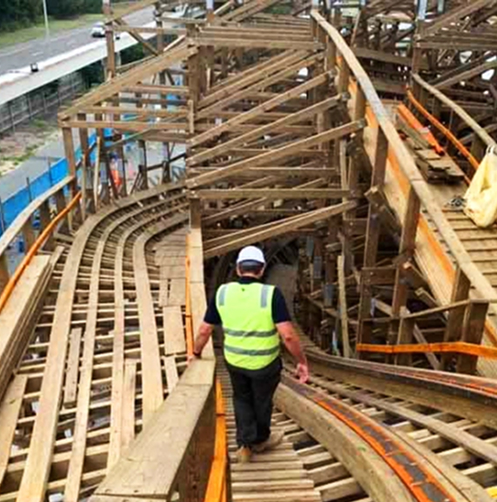
- Support for amusement parks and high-risk industries
Whether you are an operator, technician, engineer, or safety professional, DRA Safety provides training designed to improve workplace safety, operational confidence, and industry compliance.

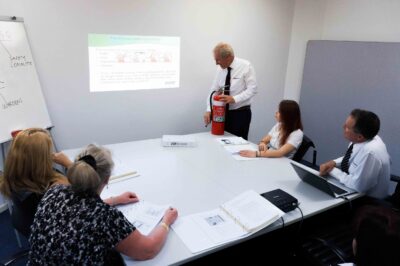
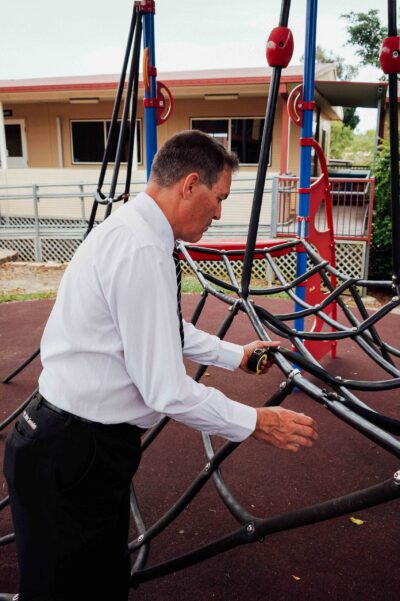
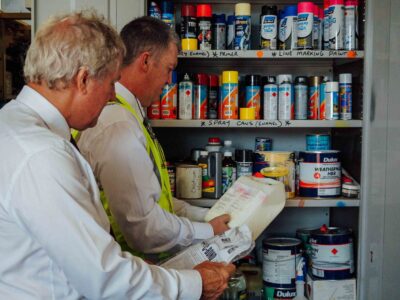
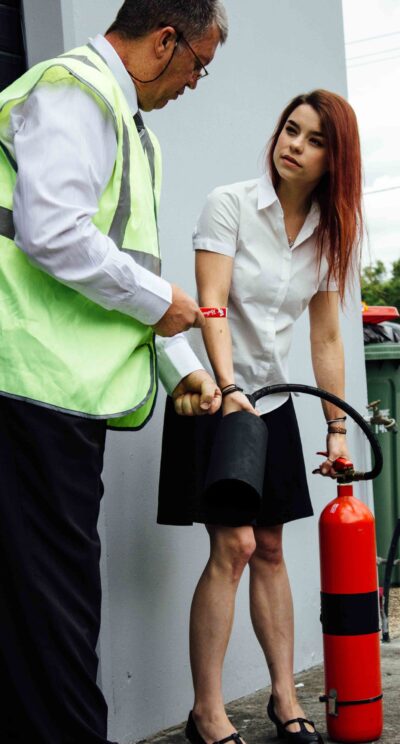
Safety and Training Gallery
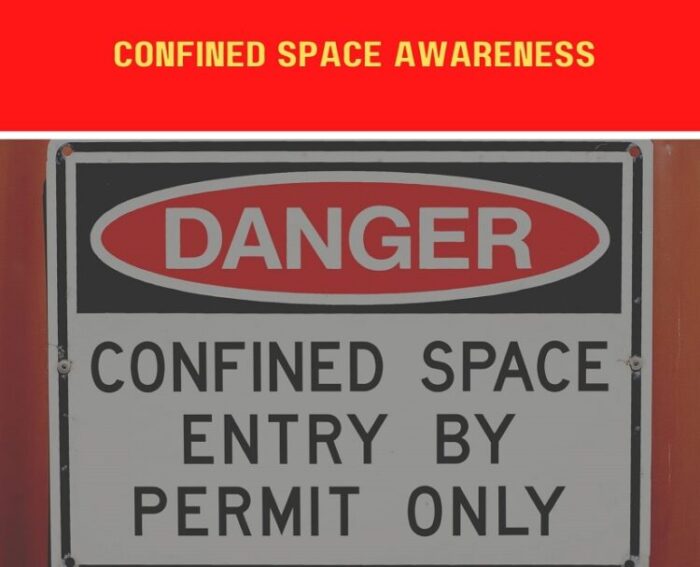
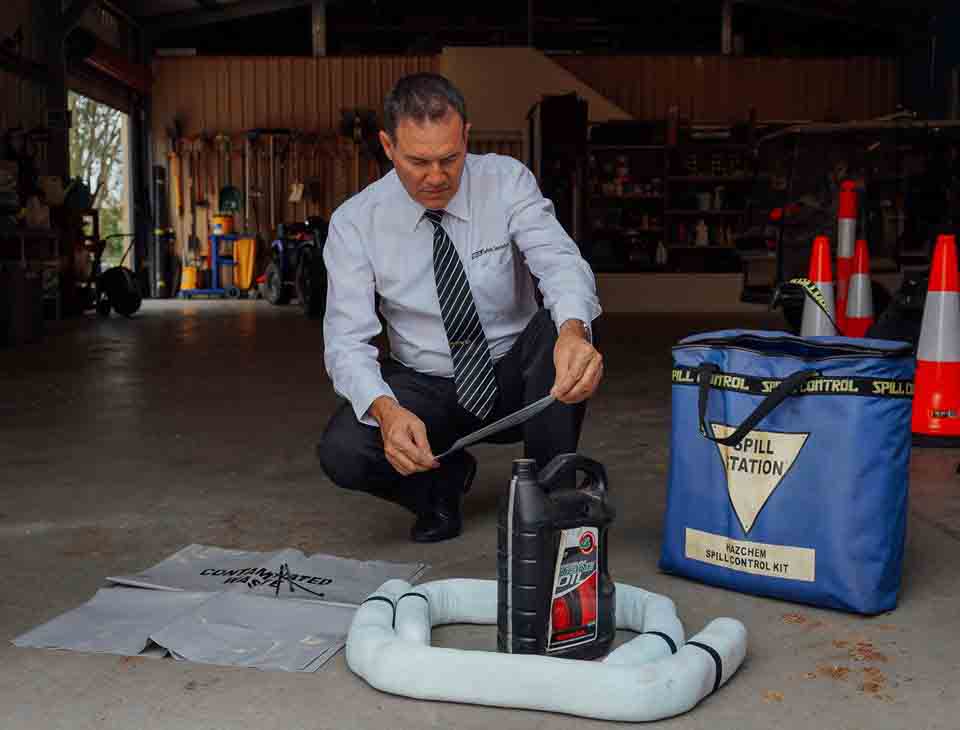
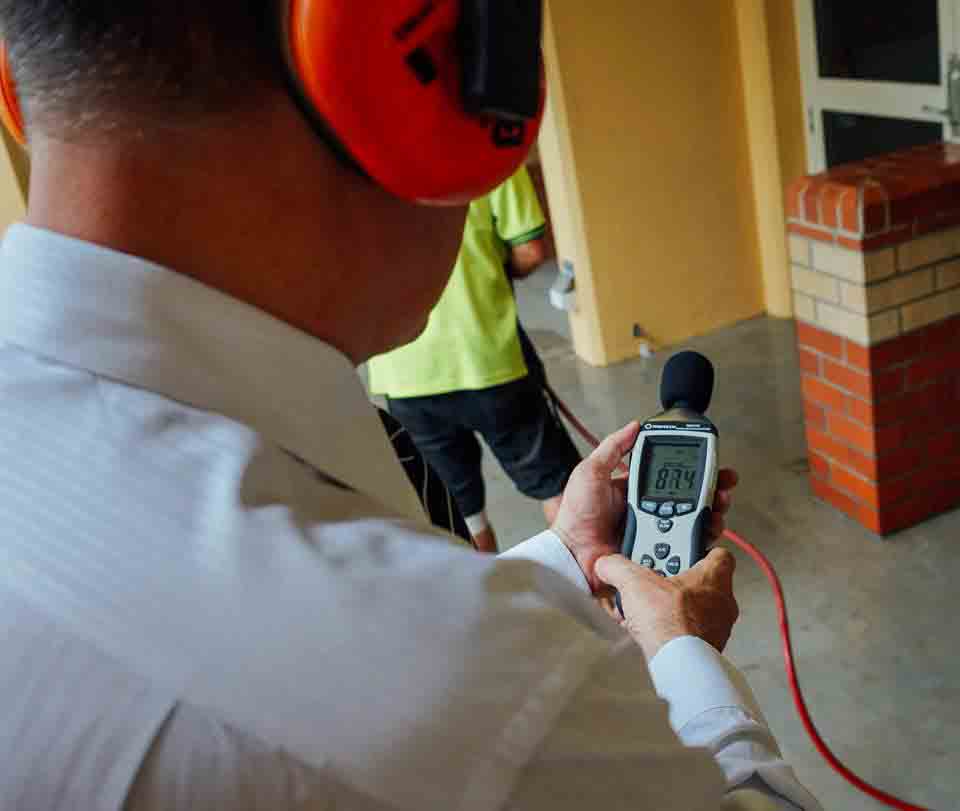
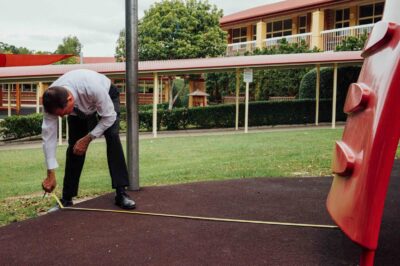
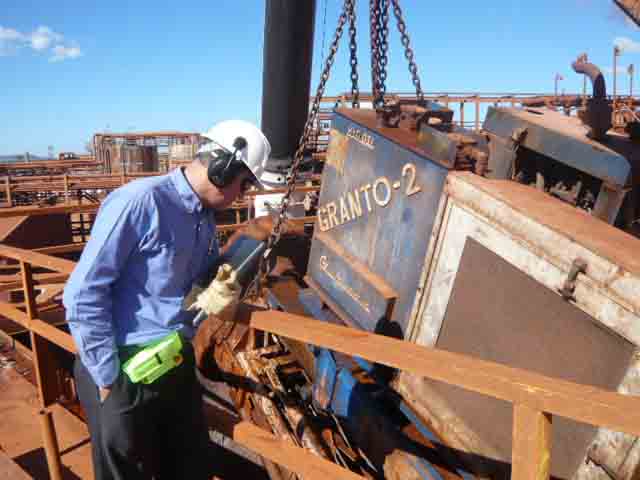
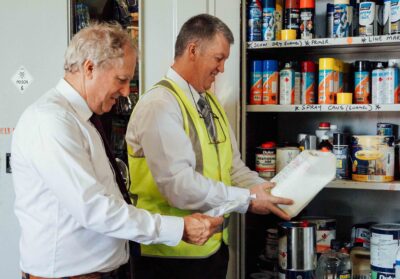
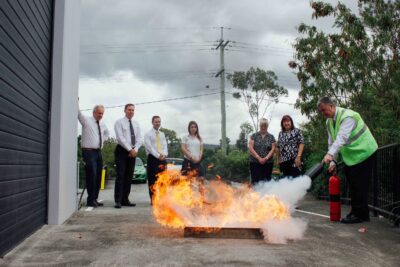
A look at DRA Safety in action. From classroom training to hands-on assessments, here's what it looks like when safety gets taken seriously.


We Are a Registered Training Organisation (RTO)
We are authorised to deliver and assess nationally recognised qualifications across a range of workplace health and safety disciplines. Our training programs are developed in line with the Australian Qualifications Framework (AQF) and comply with all regulatory requirements, ensuring every participant receives certification that is trusted and respected across industries.